
What is Coding? Beyond the Digital Curtain
What is coding, really—and why does it matter so much today? Coding, often referred to as programming, is the process of giving instructions to a computer to perform specific tasks. These instructions are written in programming languages like Python, JavaScript, or Java, enabling everything from simple calculations to complex applications like websites, mobile apps, and artificial intelligence systems. In essence, coding is the language that powers the digital world around us.
But coding goes far beyond just writing lines of code. It is a way of thinking—breaking down problems, finding logical solutions, and building something meaningful from scratch. From the apps we use daily to the systems that run businesses, coding works silently behind the scenes, shaping how we interact with technology.
In today’s fast-evolving digital landscape, coding has become a fundamental skill, opening doors to innovation, creativity, and high-demand career opportunities. Whether you’re a beginner curious about how technology works or someone looking to build a career in tech, understanding coding is the first step toward unlocking endless possibilities beyond the digital curtain.
The ROI of Code: Why the Global Market is Hungry for Developers
Now that the mystery around coding has been lifted, the next logical question is: is it actually worth the investment? The numbers make a compelling case.
The global data science and analytics market is projected to grow at a compound annual growth rate of over 27% through the late 2020s, and demand for software developers shows no signs of slowing. According to the U.S. Bureau of Labor Statistics, software development roles are expected to grow 25% through 2032 — far outpacing the average for all occupations.
Salaries reflect that demand. Entry-level developers in the United States routinely earn $70,000–$90,000 annually, while mid-career professionals with specialized skills frequently cross the $130,000 threshold. Certified professionals — those with verifiable credentials from recognized programs — often command offers 15–20% above their non-certified peers.
Language choice matters enormously here. Python and SQL consistently rank as the most in-demand starting points for new developers. Python’s readability makes it beginner-friendly, while its dominance in data science, automation, and AI ensures long-term relevance. SQL underpins virtually every data-driven business on the planet — making it quietly indispensable.
Coding isn’t just a technical skill anymore — it’s a career insurance policy in an economy that increasingly runs on data.
This combination of high salaries, strong growth, and transferable skills makes the decision to learn coding one of the most future-proof moves a professional can make in 2025. The real question becomes where to start — and that’s exactly what the next section breaks down.
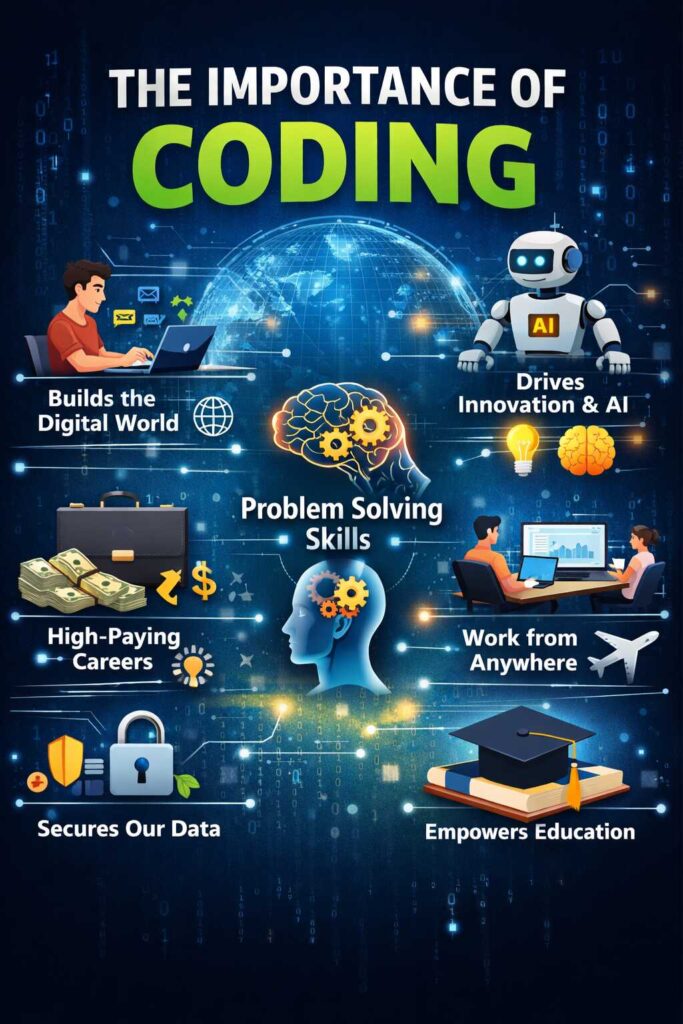
The 10 Best Sites to Learn Coding (Beginner to Pro)
With the market demand established, the next challenge is obvious: where do you actually start? The sheer volume of platforms available makes the first click feel almost as intimidating as the code itself. Here, we will uncover top coding websites for beginners as well as experienced professionals to excel in their coding journey.
1. freeCodeCamp
freeCodeCamp is one of the most popular free platforms for learning coding from scratch. It offers a structured curriculum covering HTML, CSS, JavaScript, Python, and data science. The platform is entirely project-based, meaning learners build real-world applications while studying. It also provides certifications that are recognized by employers. With thousands of tutorials, coding challenges, and an active global community, freeCodeCamp is ideal for beginners who want hands-on experience. Another advantage is its extensive YouTube content, making learning flexible and accessible. Whether you want to become a web developer or data analyst, freeCodeCamp provides a solid, no-cost foundation.
2. Codecademy
Codecademy is known for its highly interactive learning environment where users can write and test code directly in the browser. It offers courses in various programming languages such as Python, Java, JavaScript, and SQL. The platform provides structured career paths, quizzes, and real-world projects to reinforce learning. While it has free courses, its Pro version unlocks certifications and advanced content. Codecademy is particularly useful for beginners who prefer guided learning with instant feedback. Its intuitive interface and step-by-step approach make it easy to grasp programming concepts without feeling overwhelmed.
3. Coursera
Coursera partners with top universities and companies to offer high-quality coding courses and professional certifications. Learners can study programming languages, software engineering, and data science through courses from institutions like Stanford and Google. The platform combines video lectures, assignments, and peer-reviewed projects for a comprehensive learning experience. While many courses are paid, financial aid options are available. Coursera is ideal for those seeking formal education and recognized certifications. It also offers flexible schedules, allowing learners to progress at their own pace while gaining industry-relevant skills.
4. Udemy
Udemy is a massive online marketplace offering thousands of coding courses across all skill levels. From beginner-friendly Python tutorials to advanced web development bootcamps, there’s something for everyone. Courses are created by industry professionals and often include lifetime access, downloadable resources, and practical projects. Udemy frequently offers discounts, making it affordable for learners. It’s a great choice for those who want to learn specific skills quickly or specialize in niche technologies. However, course quality can vary, so checking reviews and ratings is important before enrolling.
5. edX
edX provides university-level coding courses from institutions like MIT and Harvard. It offers programs in computer science, artificial intelligence, and software development. The platform emphasizes academic rigor and includes assignments, exams, and certifications. Many courses are free to audit, while paid options provide verified certificates. edX is ideal for learners seeking a deeper, more theoretical understanding of programming concepts. It also offers MicroMasters and professional certificate programs, making it a strong option for career advancement.
6. LeetCode
LeetCode is a go-to platform for practicing coding problems, especially for technical interview preparation. It offers hundreds of challenges in algorithms, data structures, and system design. Users can solve problems in multiple programming languages and compare solutions with a global community. LeetCode also hosts coding contests and provides company-specific interview questions. While it’s not a traditional learning platform, it’s essential for improving problem-solving skills. It’s best suited for intermediate to advanced learners aiming to crack coding interviews at top tech companies.
7. HackerRank
HackerRank focuses on coding practice and skill assessment through challenges and competitions. It covers domains like algorithms, databases, AI, and mathematics. The platform is widely used by companies for hiring assessments, making it valuable for job seekers. HackerRank also offers tutorials and certification tests to validate skills. Its gamified approach keeps learners engaged while improving their coding abilities. Beginners can start with basic problems and gradually move to advanced challenges, making it suitable for all skill levels.
8. Khan Academy
Khan Academy is a free educational platform that offers beginner-friendly coding courses, particularly in JavaScript and web development. Its interactive lessons and simple explanations make it ideal for absolute beginners and younger learners. The platform uses visual tools and animations to explain programming concepts, making learning engaging and easy to understand. While it doesn’t cover advanced topics extensively, it provides a strong foundation for those new to coding. It’s perfect for building confidence before moving on to more advanced platforms.
9. The Odin Project
The Odin Project is a free, open-source platform that offers a comprehensive full-stack web development curriculum. It focuses on hands-on learning with real-world projects and encourages learners to build a strong portfolio. The curriculum includes HTML, CSS, JavaScript, Git, and backend technologies. It also emphasizes problem-solving and independent learning, making it ideal for those who want a bootcamp-like experience without the cost. The Odin Project is highly recommended for serious learners aiming to become job-ready developers.
10. Pluralsight
Pluralsight is a premium platform designed for professionals looking to upskill in coding and technology. It offers expert-led courses in software development, cloud computing, cybersecurity, and more. The platform provides skill assessments and learning paths tailored to individual goals. Pluralsight is known for its high-quality content and in-depth coverage of advanced topics. It’s particularly useful for developers who want to stay updated with the latest technologies or specialize in specific domains. While it requires a subscription, the value it provides makes it worth considering for career growth.
Each of these platforms serves a distinct phase of the learning journey. The more nuanced question — and one that trips up most beginners — is figuring out when to use free resources, when to invest in a paid subscription, and when a formal certification is actually worth the cost.
Choosing Your Path: Free vs. Paid Certification
Now that you have a shortlist of platforms, the next decision is almost as important as choosing the platform itself: how much should you actually spend? The answer depends entirely on where you are in your learning journey.
The Exploration Phase: Start Free
If you’re still testing whether coding clicks for you, free tiers are more than enough. Most online coding platforms offer substantial free content — interactive exercises, foundational courses, and community forums — that can carry you through the first several months. Paying before you’ve confirmed genuine interest is simply money wasted.
The Consistency Phase: When a Subscription Pays Off
Once the curiosity becomes commitment, a paid subscription earns its price. Structured learning paths, mentor access, and project-based curricula remove the friction of self-directing your education. Accountability features alone — streaks, deadlines, cohort schedules — can dramatically improve completion rates. In practice, learners who invest financially tend to follow through more consistently.
Certifications: Career Currency or Vanity Badge?
For career switchers, university-backed credentials carry real weight. Hiring managers recognize programs tied to accredited institutions because the curriculum has been externally validated. The distinction to watch for: a high-value certification requires a portfolio submission or proctored assessment, not just a completion click. A badge anyone earns by showing up tells recruiters very little.
A credential that demands proof of skill is worth ten that only demand proof of attendance.
That distinction — between demonstrating ability and simply logging hours — becomes the central challenge when you’re ready to pursue your first professional role.
Coding Careers: Navigating the Path to Your First Role
Everything covered so far — choosing the right platform, deciding between free and paid tracks, earning certifications — ultimately points toward one destination: a real job with a real salary. Here’s how to connect the dots.
Language selection matters more than most beginners realize. Python continues to dominate hiring pipelines, particularly in machine learning, data science, and automation roles. Its readable syntax makes it approachable for newcomers, and its industry footprint means employers actively recruit for it. Pair Python with SQL, and you’ve covered a foundational skill set that appears in the majority of technical job descriptions — SQL remains the backbone of virtually every business that manages relational databases, which is essentially every business.
Once your skills are sharpened, the technical interview becomes the next hurdle. Practice platforms built around coding challenges help you prepare for the dreaded technical screen — the stage where many candidates stall. Consistent practice with timed algorithmic problems builds both competence and confidence before the real thing.
A portfolio, however, is what separates a candidate from a credential. Recruiters see dozens of resumes listing the same bootcamps and courses. What they rarely see is a GitHub repository with three polished, functional projects that solve real problems. Build those, and your application tells a story no certification alone can.
Choosing among the best sites to learn coding is just the beginning. The platforms exist to serve you — but momentum, consistency, and deliberate practice are what actually build careers. Start today, ship something real, and let the work speak for itself.
Conclusion
Starting a coding journey doesn’t depend on age or background—it’s truly never too late to begin. What matters most is choosing the right programming language, as it can shape how easily you grasp concepts and progress. Courses like CS50 go beyond teaching syntax; they help you develop the mindset needed to think like a programmer and solve real problems. In today’s competitive landscape, skills matter more than certificates, making hands-on learning and proof of ability far more valuable than mere attendance. Ultimately, with the right approach, consistent effort, and smart choices, anyone can build a strong foundation in coding and grow in this ever-evolving field.
FAQ’s
Which website is best for beginners to learn coding?
Beginners often prefer platforms with structured paths and interactive lessons like freeCodeCamp and Codecademy, as they offer step-by-step guidance and hands-on practice.
Can I learn coding online for free?
Yes, many platforms such as freeCodeCamp and Khan Academy provide completely free coding courses, making it accessible to anyone with an internet connection.
How long does it take to learn coding?
The time required depends on your goals and consistency. Basic skills can be learned in 3–6 months, while becoming job-ready may take 6–12 months with regular practice and real-world projects.
Which coding language should I learn first?
Popular beginner-friendly languages include Python and JavaScript. Platforms like Codecademy help you choose based on your career goals, such as web development or data science