

Data analysts are the unsung heroes of the data-driven world. They play a pivotal role in transforming raw data into valuable insights that drive decision-making processes within organizations. In this comprehensive exploration, we’ll delve deep into the world of data analysts, exploring their roles, the critical skills they possess, the challenges they face, and the real-world success stories that showcase their impact. Join us on a journey through the eyes of data analysts as they share their experiences, tips, and visions for the future.
The Role of a Data Analyst
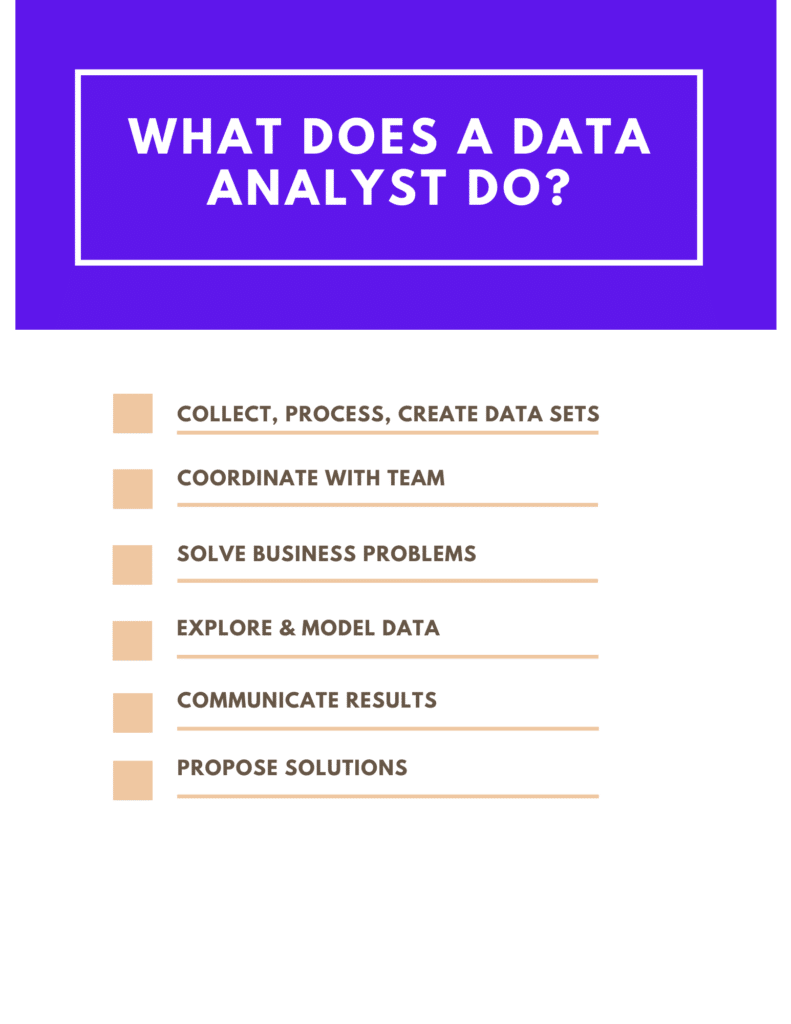
At the heart of data analysis lies the essential role of a data analyst. These professionals are tasked with collecting, cleaning, and organizing data to make it accessible and understandable for decision-makers. They leverage various tools and techniques to identify trends, patterns, and outliers within datasets. This transformation of raw data into actionable insights is the cornerstone of their work.
Key Takeaway: Data analysts bridge the gap between complex data and informed decision-making, making data accessible and insightful.
The Skills that Matter
Successful data analysts possess a diverse skill set that combines technical expertise with effective communication. They are proficient in programming languages such as Python and R, have a strong foundation in statistics, and are adept at data visualization. Additionally, they excel in using data analysis tools like Excel, SQL, and Tableau. However, technical skills alone are not sufficient. Data analysts must also be effective communicators, capable of translating their findings into understandable insights for non-technical stakeholders.
Key Takeaway: Data analysts need both technical prowess and strong communication skills to excel in their roles.
Challenges in Data Analysis
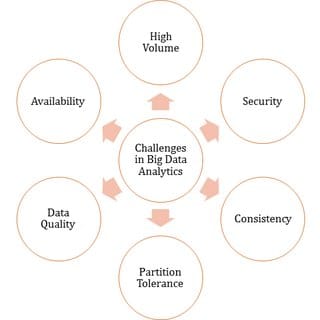
Data analysis comes with its unique set of challenges. Analysts often encounter messy, incomplete, or inconsistent data. They must navigate these hurdles to ensure the accuracy and reliability of their analyses. Additionally, staying updated with the rapidly evolving data landscape and tools is an ongoing challenge.
Key Takeaway: Data analysts must be proficient in addressing data quality issues and continuously upskilling themselves to stay relevant.
Real-World Success Stories
Let’s delve into the real-world experiences of data analysts who have made a significant impact in their respective fields:
- Healthcare Analytics
Imagine a large hospital system that implemented advanced analytics in their operations. By analyzing patient data, including medical history, treatment records, and lab results, they identified patterns related to readmission rates for specific conditions.
- E-commerce Insights
Case Study: How Amazon Improved Customer Recommendations
Amazon, one of the world’s largest e-commerce platforms, is renowned for its highly effective recommendation engine. By analyzing vast amounts of user data, including browsing history, purchase history, and user behavior, Amazon’s data science team developed a robust recommendation algorithm.
This algorithm analyzes customer preferences and suggests relevant products, significantly contributing to Amazon’s revenue growth. By offering personalized product recommendations, Amazon has seen a substantial increase in cross-selling and upselling, leading to a remarkable boost in sales. This success story demonstrates the power of data analytics in e-commerce, enhancing the customer experience and driving business growth.
- Financial Forecasting
Case Study: How IBM Watson Transformed Financial Forecasting
IBM Watson, the renowned artificial intelligence platform, has made significant strides in revolutionizing financial forecasting for businesses. A leading global financial institution implemented Watson’s capabilities to predict market trends and investment opportunities accurately.
By processing vast amounts of historical financial data, news, and market sentiment, IBM Watson’s algorithms identify potential risks and opportunities in real-time. This allows financial analysts to make more informed decisions swiftly. As a result, the institution has achieved remarkable returns on investments, reduced risks, and gained a competitive edge in the financial market. This case illustrates how advanced AI-driven financial forecasting can lead to smarter investments and more profitable outcomes.
These real-world examples underscore the diverse applications of data analysis across different industries and highlight the tangible impact data analysts can have.
Key Takeaway: Data analysts are instrumental in driving meaningful change in various sectors through data-driven insights.
The Future of Data Analysis
As technology continues to advance, so does the field of data analysis. The advent of artificial intelligence and machine learning has expanded the capabilities of data analysts. Automation and advanced analytics tools are becoming more prevalent, allowing analysts to focus on higher-level tasks like strategy development and decision-making.
Key Takeaway: Data analysis will continue to evolve, offering new opportunities and challenges for professionals in the field.
The Evolving Landscape of Data Analysis
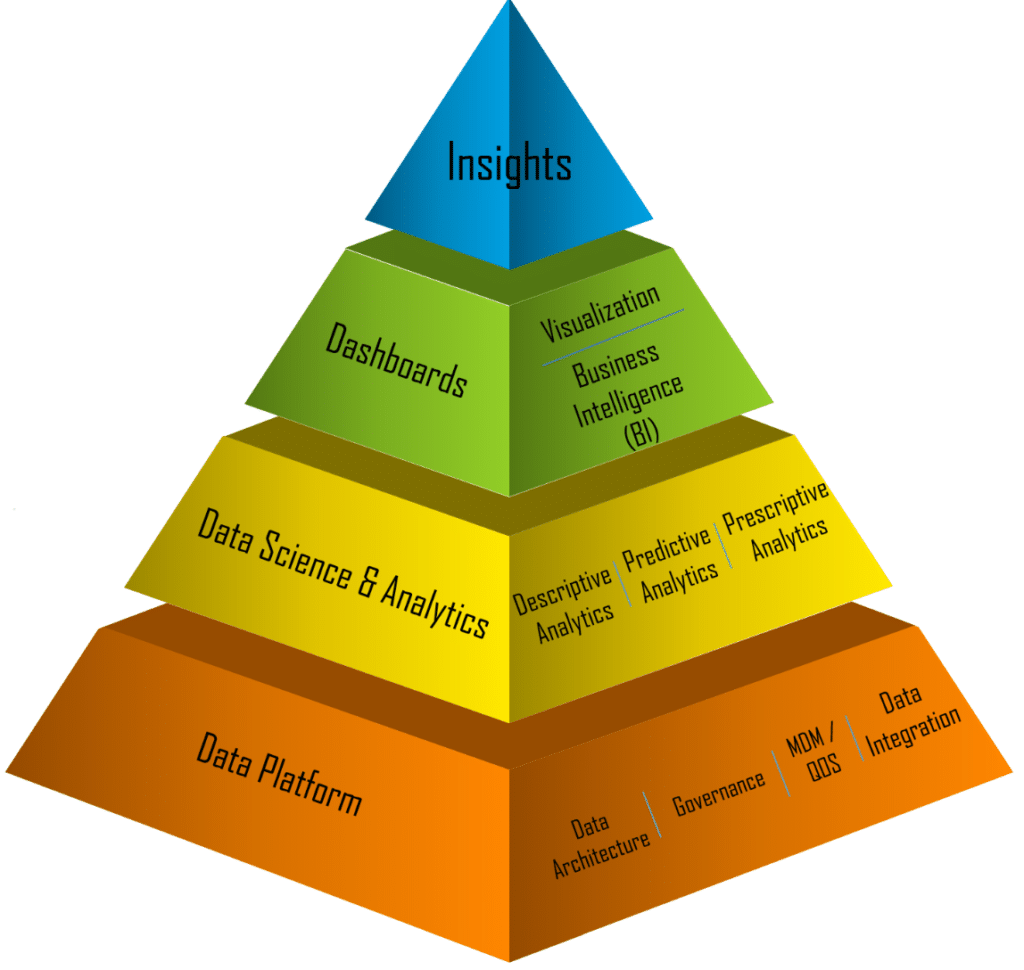
Data analysis is a dynamic field, constantly adapting to the evolving data landscape. Here are some key trends shaping the future of data analysis:
1. AI and Machine Learning Integration: Data analysts are increasingly incorporating AI and machine learning algorithms into their analyses. These technologies can uncover hidden insights within large datasets and enhance predictive analytics.
2. Data Privacy and Ethics: With the growing emphasis on data privacy, analysts need to navigate the complex regulatory landscape and ensure ethical data handling practices.
3. Data Visualization: The ability to convey complex insights through compelling visualizations remains a critical skill. Data analysts will continue to refine their data visualization techniques.
4. Real-Time Analytics: The demand for real-time data analysis is on the rise. Analysts will need to work with streaming data and develop real-time dashboards for decision-makers.
5. Interdisciplinary Collaboration: Data analysts are collaborating with professionals from various disciplines, including domain experts and data engineers, to create more comprehensive analyses.
Challenges and Opportunities
While the field of data analysis offers exciting opportunities, it also presents challenges:
Challenges:
- Data Quality: Ensuring data accuracy and consistency remains a persistent challenge. Analysts must invest time in data cleaning and validation processes.
- Data Security: With the increase in cyber threats, data security is a paramount concern. Analysts need to implement robust security measures to protect sensitive information.
- Interpreting Complex Data: As datasets become more extensive and complex, interpreting the results of data analyses can be challenging.
Opportunities:
- Career Growth: The demand for skilled data analysts continues to grow, offering abundant career opportunities.
- Innovation: Data analysts have the chance to drive innovation within their organizations by uncovering valuable insights.
- Social Impact: Data analysis can be applied to address societal challenges, such as healthcare optimization and environmental conservation.
The Final Word
In conclusion, data analysts are invaluable assets to organizations seeking to leverage the power of data. Their unique blend of skills, dedication, and the ability to translate data into actionable insights make them indispensable in today’s data-driven landscape. As we explore the ever-expanding data universe, the insights and perspectives of data analysts will continue to shape the future of business and innovation.
✦ SUMMARIZE THIS ARTICLE WITH AI
 ChatGPT
Are you a data analyst with a story to share, or is your business looking to unlock the potential of your data? Join the conversation and let’s explore the limitless possibilities of data analysis together. The world of data analysis is vast, and there’s always more to discover.